06 — FAQ
Questions, answered plainly.
What Naos is, who it's for, and how it fits the AI era — no jargon, no hedging.
What is Naos?
Naos is a security control and proof plane for the AI era. It watches what your infrastructure and your AI agents do, catches what matters, can stop risky actions, and turns events into a verifiable record — so you can show, not just claim, that your systems are under control.
What is a control & proof plane?
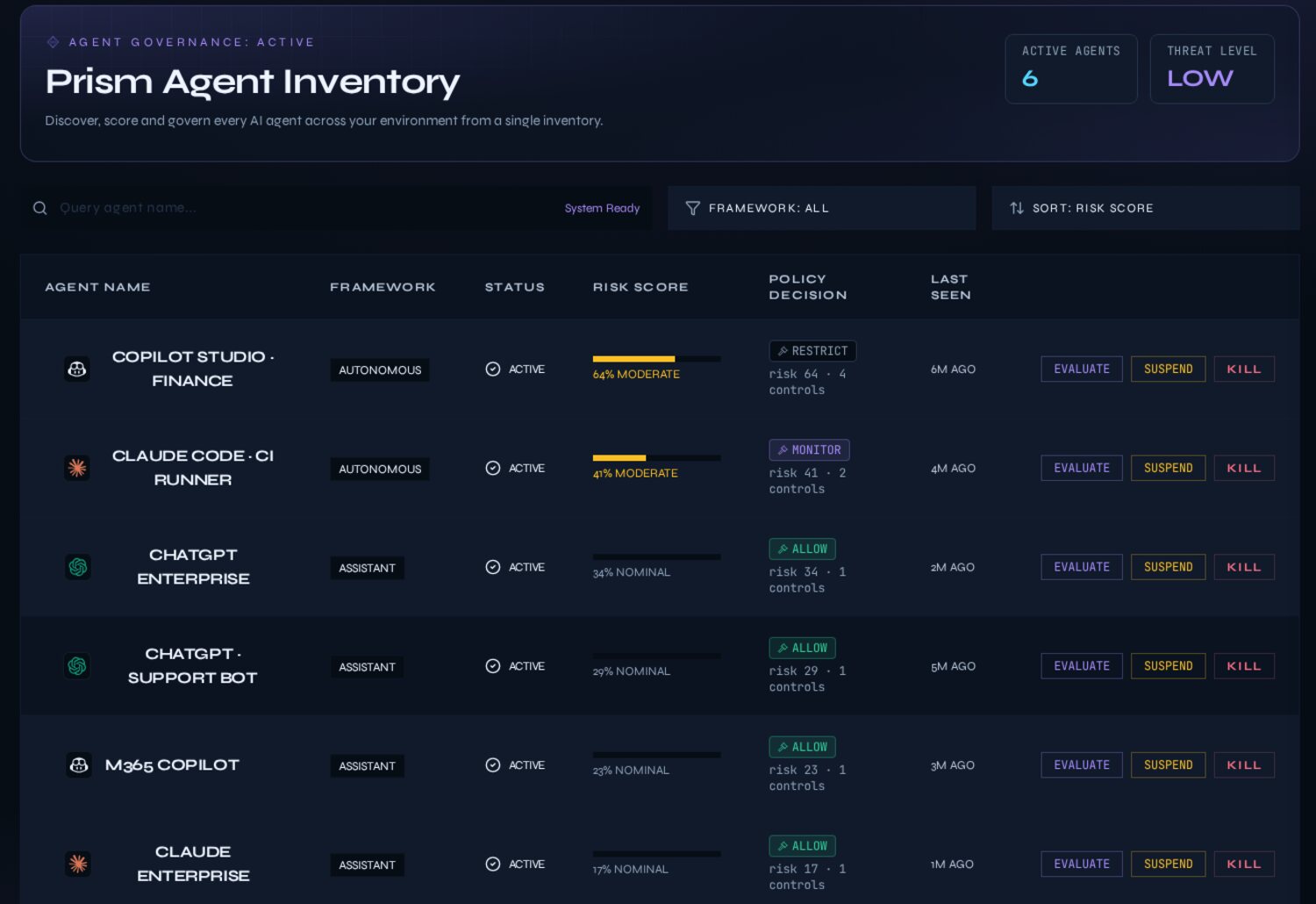
It's a single layer across your security operations and your AI-agent activity. Control means you set policy: for agents routed through Naos, unwanted tool-calls are blocked before they run; for SaaS agents like Copilot, ChatGPT and Claude, Naos detects and records what they did. Proof means the relevant events are recorded in a form you can hand to a regulator, an auditor or an insurer. Naos brings SIEM detection, AI-agent governance and evidence together.
Who is Naos for?
Naos is built MSP-first, for European SMBs. Managed service providers run it multi-tenant, under their own brand, across their whole client book. It also fits security teams that need to govern AI agents and demonstrate control.
How does Naos relate to the EU AI Act?
The EU AI Act pushes organisations to show — not merely assert — how their AI systems are governed. Naos records what your AI agents did, whether they were allowed to, and keeps a verifiable trail that supports accountability. Naos is a tooling layer; it doesn't replace your own legal compliance assessment.
Does Naos cover infrastructure or AI agents?
Both. On infrastructure, it's detection and response across logs, endpoints and network — a SIEM. On AI, it inventories your agents such as Copilot, ChatGPT and Claude, applies policy, and separates what you observed from what you enforced. Agents routed through the Naos gateway (MCP) are blocked inline before a tool runs; inline enforcement for the SaaS agents rolls out provider by provider.
How does Naos deploy, and where does it sit?
Naos runs as SaaS or self-hosted, with database-level multi-tenant isolation for MSP use. It takes in your logs, endpoints and network — and your AI-agent activity — through connectors for cloud, identity and SIEM sources and the major AI providers. For agents routed through its gateway, Naos sits in the path of their tool calls, so a policy can allow, flag or block an action before it runs. For SaaS agents like Copilot, ChatGPT and Claude, it reads the providers' compliance logs to detect and evidence what they did, so you can act in the provider's console. Everything relevant becomes a verifiable record you can hand to an auditor.